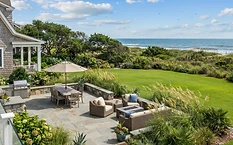

Maximizing Your Outdoor Living Space: Planning the Perfect Fall Fire Pit Installation
Embrace Coastal Autumn with the Perfect Fire Pit
For those of us living along the coast of North Carolina, the arrival of autumn brings a welcome shift in the weather. The humidity drops, the evenings turn crisp, and our outdoor spaces finally become the sanctuary we envisioned back in the spring. At Futrell Landscapes, we believe that the ultimate way to extend your outdoor living season is through the addition of a custom fire pit.
Whether you are located in Wilmington, nestled in the quiet neighborhoods of Hampstead, or enjoying the breeze on Topsail Island, a fire pit is more than just a heating element—it is a gathering place. However, building in a coastal environment requires specific expertise. From the chemistry of our soil to the corrosive nature of salt air, your installation needs to be as resilient as it is beautiful.
Understanding the Coastal Landscape
Coastal North Carolina poses unique challenges for hardscape construction. Our sandy soil, while excellent for drainage, can be unstable if not properly compacted. When we design a fire pit area, we begin by ensuring the foundation—usually a base of crushed stone and a compacted sub-base—is built to handle the weight of heavy pavers or stone structures without shifting over time.
Furthermore, our local salt air is notoriously hard on metals and certain types of stone. For fire pit surrounds, we often recommend high-quality, non-porous materials like manufactured concrete pavers or natural bluestone that can withstand the salinity of the air without showing signs of rapid weathering or spalling.
Design Considerations for Your Turf
Many of our clients in the Topsail area have meticulously maintained Bermuda, Zoysia, or Centipede lawns. Integrating a fire pit shouldn't mean sacrificing your beautiful turf. We often recommend a 'buffer zone' of decorative river rock or crushed shell between your hardscape and your lawn. This not only prevents heat damage to the grass edges but also makes edging and mowing significantly easier.
Preparing for Hurricane Season
While fall is the perfect time to build, we must respect the reality of our region. Hurricane season remains a factor through November. When Futrell Landscapes handles your installation, we prioritize structural integrity. We design hardscapes that are secured to withstand high winds and implement proper drainage grading to ensure that, in the event of heavy rainfall, your new fire pit area doesn't become a catch-basin for standing water.
Choosing the Right Fuel: Wood vs. Gas
One of the first questions we ask our clients is about their preferred fire experience. Do you want the authentic crackle of a wood-burning fire, or the convenience of gas?
- Wood Burning: Best for those who enjoy the ritual of a campfire and the classic scent of burning oak or pine. These are often easier to install because they don't require trenching for gas lines.
- Gas/Propane: Ideal for quick, smoke-free enjoyment. With a simple click, you have an instant atmosphere. This is often the preferred choice for smaller patios or townhome-style lots in Wilmington where smoke control might be an issue with close neighbors.
FAQ
FAQ
Can I install a fire pit directly on my lawn?
No, you should never place a fire pit directly on grass. The heat will kill the turf and roots, and it poses a significant fire hazard. We recommend a stone, paver, or gravel foundation at least 3–5 feet wider than the fire pit itself.
Do I need a permit for a fire pit in Hampstead or Wilmington?
Permit requirements vary by municipality and HOA regulations. Our team at Futrell Landscapes is familiar with local codes and will help you determine if a permit is required for your specific build and location.
How does salt air affect my fire pit materials?
Salt air can accelerate the corrosion of metal components and cause certain porous stones to degrade. We recommend using high-quality stainless steel for gas burners and durable, non-porous paving materials to ensure your investment stays beautiful for years to come.
How long does an installation typically take?
A standard fire pit project with paver surround typically takes between 3 to 7 days, depending on the size of the project and the complexity of the site preparation required for your specific soil type.